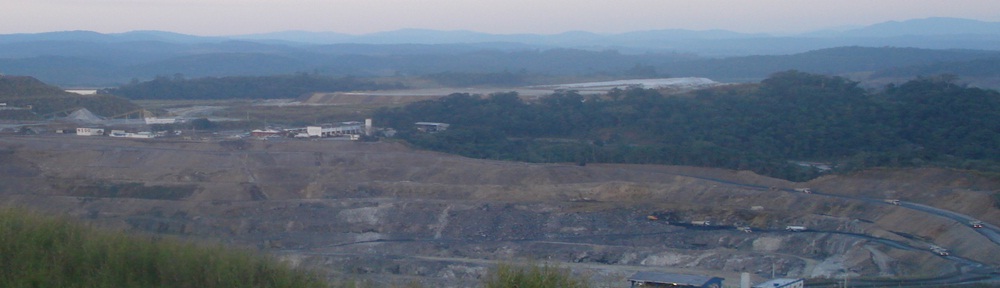
- Natural beauty unfolds around skyhills for peaceful exploration
- Geological Formation and Landscape Diversity
- Impact of Climate and Weather Patterns
- Flora and Fauna of Skyhills Regions
- The Role of Biodiversity in Ecosystem Health
- Activities and Recreation in Skyhills Environments
- Sustainable Tourism and Environmental Responsibility
- The Cultural Significance of Skyhills
- Future Trends and Conservation Challenges
Natural beauty unfolds around skyhills for peaceful exploration
The allure of untouched landscapes draws many to seek tranquility and natural beauty, and the region of skyhills offers precisely that. Often characterized by rolling hills that seem to touch the sky, these areas provide a sense of peaceful isolation and a connection to the natural world. The unique geography of skyhills creates microclimates, supporting a diverse range of flora and fauna, making them appealing for hikers, nature enthusiasts, and those simply looking to escape the hustle and bustle of modern life. These destinations are known for their breathtaking vistas, clear air, and the opportunity to reconnect with oneself.
Exploring skyhills isn’t just about admiring the views; it’s about immersing oneself in an environment that fosters introspection and wellbeing. Many locations within these areas have a rich history, with ancient trails and settlements revealing stories of past inhabitants. The quiet solitude is a welcome change from the constant stimulation of urban living, allowing for a mental reset and a chance to appreciate the simple things. From gentle walks to challenging climbs, skyhills cater to all levels of physical ability, encouraging an active lifestyle and a deep appreciation for the environment. The aesthetic appeal of the hills, combined with their calming effect, makes them highly sought-after destinations.
Geological Formation and Landscape Diversity
The formation of skyhills is often linked to geological processes spanning millennia. These can include glacial activity, erosion, and tectonic uplift, resulting in a varied landscape of peaks, valleys, and plateaus. The composition of the hills themselves can differ significantly depending on the region, with some being primarily composed of sedimentary rock, while others boast volcanic origins. This diversity in geological makeup contributes to the richness of soil types, supporting a wide range of plant life. Careful observation reveals layers of history etched into the rock formations, telling a story of earth’s dynamic past. The intricate patterns of erosion create stunning visual effects, particularly during sunrise and sunset when the light casts long shadows across the landscape.
Impact of Climate and Weather Patterns
Climate plays a crucial role in shaping the characteristics of skyhills. Regions with higher altitudes generally experience cooler temperatures and increased precipitation, leading to the development of lush forests and meadows. Conversely, lower-lying hills in drier climates may be characterized by grasslands and scrub vegetation. Seasonal changes are often dramatic, with vibrant displays of wildflowers in the spring and colorful foliage in the autumn. Weather patterns, such as prevailing winds and storm tracks, also influence the distribution of plant and animal life. Understanding these climatic influences is essential for appreciating the ecological complexity of these landscapes. Local weather patterns are often quite unique, creating pockets of microclimates offering diverse scenery.
| Hill Range | Average Altitude (meters) | Dominant Vegetation | Typical Climate |
|---|---|---|---|
| Emerald Hills | 800 | Temperate Forest | Mild, Wet |
| Crimson Peaks | 1200 | Alpine Meadow | Cold, Dry |
| Golden Slopes | 500 | Grassland | Warm, Moderate |
| Azure Ridges | 950 | Mixed Forest | Cool, Humid |
The interplay between geology, climate, and vegetation creates a unique and ever-changing environment within the skyhills. This intricate system supports a wealth of biodiversity and provides opportunities for scientific research and conservation efforts. Maintaining the ecological integrity of these landscapes is vital for preserving their natural beauty and ensuring their sustainability for future generations. These areas offer invaluable resources and opportunities for exploration and learning.
Flora and Fauna of Skyhills Regions
Skyhills are home to a remarkable diversity of plant and animal life, often including species adapted to specific altitudes and climates. Forests dominated by coniferous or deciduous trees are common, providing habitats for a variety of mammals, birds, and insects. Meadows and grasslands support grazing animals, while rocky outcrops and cliffs offer refuge for reptiles and birds of prey. The presence of unique species, some of which may be endemic to a particular region, adds to the ecological significance of skyhills. Conservation efforts are crucial for protecting these fragile ecosystems and ensuring their long-term survival. The intricate food web relies on the health of each component, highlighting the interconnectedness of all living things within the landscape.
The Role of Biodiversity in Ecosystem Health
Biodiversity is a key indicator of ecosystem health. A diverse range of species enhances the resilience of an ecosystem, making it better able to withstand environmental changes and disturbances. For example, a variety of plant species provides a stable food source for herbivores, which in turn support a diverse population of predators. The presence of pollinators, such as bees and butterflies, is essential for the reproduction of many plant species. Maintaining biodiversity requires protecting habitats, controlling invasive species, and mitigating the impacts of human activities. By fostering a healthy and balanced ecosystem, we can ensure the long-term sustainability of skyhills and the benefits they provide.
- Preservation of Key Habitats
- Control of Invasive Species
- Sustainable Land Management Practices
- Monitoring of Wildlife Populations
- Educational Outreach Programs
The health of these ecosystems is inextricably linked to the wellbeing of human populations. Skyhills provide valuable ecosystem services, such as clean water, carbon sequestration, and pollination, which are essential for our survival. Recognizing the importance of biodiversity is paramount for promoting a sustainable future for both humans and the natural world. These areas are vital for conservation efforts worldwide and support significant ecological functionality.
Activities and Recreation in Skyhills Environments
Skyhills offer a wide range of recreational opportunities, attracting visitors seeking adventure, relaxation, and a connection with nature. Hiking and biking are popular activities, with trails ranging from gentle strolls to challenging climbs. Rock climbing and rappelling offer adrenaline-pumping experiences for more experienced adventurers. Birdwatching and wildlife spotting are also popular pastimes, allowing visitors to observe the diverse fauna of the region. Camping and backpacking provide opportunities for overnight stays, allowing visitors to fully immerse themselves in the natural environment. Responsible tourism practices are essential for minimizing the impact of recreational activities on these fragile ecosystems.
Sustainable Tourism and Environmental Responsibility
Sustainable tourism aims to minimize the negative impacts of tourism while maximizing its benefits for local communities and the environment. This involves adopting responsible travel practices, such as respecting local cultures, supporting local businesses, and minimizing waste. Promoting eco-friendly accommodations and transportation options can further reduce the environmental footprint of tourism. Educating visitors about the importance of conservation and responsible behavior is also crucial. By embracing sustainable tourism principles, we can ensure that skyhills remain pristine and accessible for future generations. Protecting these sensitive environments through responsible practices is paramount.
- Choose eco-friendly accommodations.
- Support local businesses and communities.
- Minimize your waste and pack out everything you pack in.
- Respect wildlife and their habitats.
- Stay on designated trails.
The economic benefits of tourism can play a vital role in supporting conservation efforts and promoting sustainable development in skyhills regions. By investing in local communities and protecting their natural resources, we can create a virtuous cycle of economic growth and environmental stewardship. Engaging local communities in tourism planning and management is essential for ensuring that their voices are heard and their interests are protected. Careful consideration of these factors is crucial for fostering responsible and sustainable tourism practices.
The Cultural Significance of Skyhills
For centuries, skyhills have held cultural and spiritual significance for many indigenous communities. Often viewed as sacred spaces, these areas are interwoven with traditional stories, beliefs, and practices. Archaeological sites within skyhills provide evidence of past human settlements and cultural activities, offering valuable insights into the history and heritage of the region. Maintaining respect for these cultural values is essential for fostering positive relationships between visitors and local communities. Protecting these cultural resources ensures that future generations can learn from and appreciate the rich history of skyhills. Acknowledging the importance of respecting these sites is crucial.
Future Trends and Conservation Challenges
The future of skyhills faces a number of challenges, including climate change, habitat loss, and increasing pressure from tourism and development. Changing weather patterns can lead to increased frequency of wildfires, droughts, and floods, threatening the ecological integrity of these landscapes. Habitat loss due to deforestation, agriculture, and urbanization can fragment ecosystems and reduce biodiversity. Unmanaged tourism can lead to erosion, pollution, and disturbance of wildlife. Addressing these challenges requires a collaborative effort involving governments, conservation organizations, local communities, and individuals. Implementing sustainable land management practices, investing in climate change mitigation and adaptation strategies, and promoting responsible tourism are crucial steps for ensuring the long-term preservation of skyhills. Further research and monitoring are needed to understand the evolving threats and develop effective conservation solutions. These areas require continued attention and dedicated efforts to remain pristine for future exploration.
Innovative approaches, like community-based conservation, can empower local communities to become stewards of their natural resources. By incorporating traditional ecological knowledge into conservation planning, we can develop more effective and culturally appropriate solutions. Investing in education and outreach programs can raise awareness about the importance of skyhills and inspire individuals to take action. A holistic and collaborative approach is essential for navigating the complexities of conservation and securing a sustainable future for these remarkable landscapes, ensuring that the peaceful exploration of skyhills continues for generations to come.